

Show notes [055]: The age of neo-neo-colonialism has arrived
Does the King have designs on the Moon?

Last January, as the White House demanded that Denmark hand over Greenland, The Times reported that it was Britain that might have first dibs on the vast, frozen island.
“The United Kingdom,” said Tom Høyem, formerly the representative of Copenhagen in Greenland, “demanded in 1917 that if Greenland were to be sold then the UK should have the first right to buy it.”
Whether Denmark acceded to the request has been disputed. Whether Britain in its current form would push its way to the front of the queue, shoving President Trump aside, is even more doubtful. Still, the episode says something about the nature of being a former colony-maxxer: always finding coins down the back of one’s sofa.
On last week’s state visit to the US, the King gently joshed Trump about Britain’s profusion of historic claims. “I know you have big plans for the Moon, Mr President,” said Charles, “but I’ve checked the papers, and I rather suspect it is already part of the Commonwealth!”
Much as we would like to hear, in Charles’ speech, a Straussian statement of intent, it is hard to imagine that he views colonisation as anything other than “ghastly”. Yet the world is changing around him; and Trump, as ever, is one of the protagonists.
Colonisation, of a sort, is back. Most obviously, Trump has chivvied NASA into accelerating its efforts towards a permanent Moon base. Trump himself, in his first term as president, commissioned the Artemis programme. By the end of the decade, Artemis astronauts will be harvesting lunar resources.
The US won’t necessarily proclaim ownership of the parts of the Moon they’ll be using, but it won’t need to. Progressives gasping at “neo-colonialism” will be correct in their diagnosis, if not in their implied disapproval.
Lunar colonialism differs from traditional colonialism in many respects, but one of them is that there is no need to worry about indigenous Moon dwellers. The same, Greenland aside, is true of what we can call America’s other neo-neo-colonial interests.
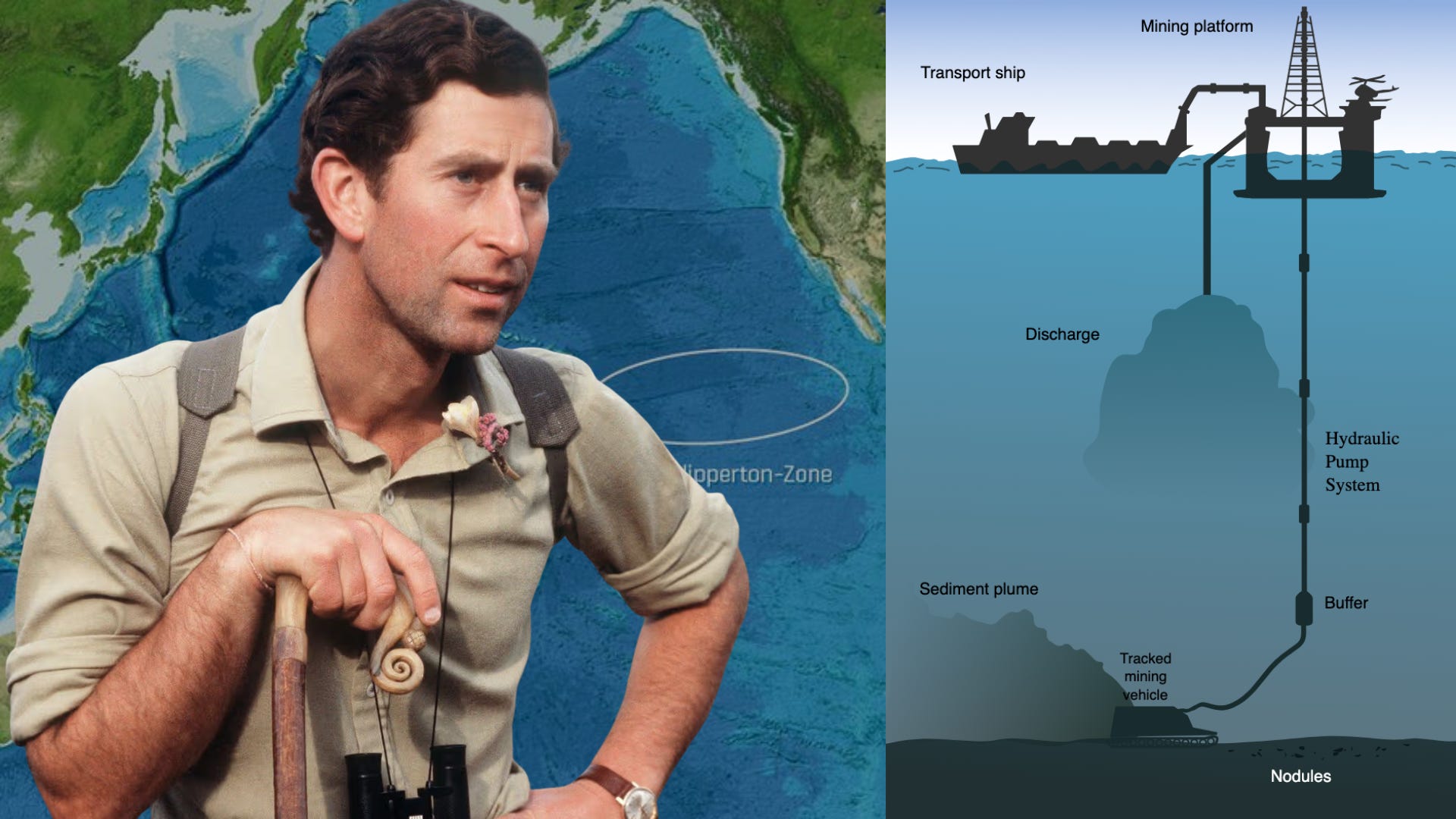
One of those interests is the ocean floor. I’ve been looking into this for an UnHerd essay, so I’ll hold back further discussion until the piece is published. Another is lower-Earth orbit: the US government, via NASA, is supporting the creation of new, commercial space stations, even as space becomes militarised.
Scholars of the Anglofuturism podcast will now be asking: what of Antarctica? The US seems to be refocusing its interest towards the High North, choosing not to renew its lease on its Antarctic icebreaker. “This has placed the US in the unusual position,” say the Friends of the British Overseas Territories, “of leasing Ukraine’s research vessel Noosfera to support essential marine research in the Southern Ocean.”
Noosfera, which was constructed in Wallsend and was once known as RRS James Clark Ross, is formerly British; inshallah, the Antarctic peninsula, and its mineral riches, shall remain British. As the Anglofuturism podcast has repeatedly warned its vast range of senior government contacts, though, we must use the peninsula or lose it. I make the argument in more detail here, but the tl;dr is that there is a vast booty of natural resources to be prospected for and, ultimately, harvested. If we don’t do it, someone else will.
At the Poles, in the heavens, and under the sea, then, the age of neo-neo-colonialism is afoot. Calum and I discuss this new era in our latest release, which also features Aeron’s Pink Pantheress-style remix of Gilbert and Sullivan.